
Healing From Home: How Telehealth Saved My Postpartum Mental Health

There was a time in my life when leaving the house felt impossible. Not inconvenient. Not overwhelming. Impossible.
In the fall of 2021, I delivered my twins too early to survive. In the height of my grief, the world was still emerging from the isolation of the pandemic, and many mental health practices had not yet returned to in-person care. I remember sitting on my couch, wrapped in a blanket, staring at my phone while trying to convince myself to answer emails, texts, or honestly, even continue existing in the version of life I had suddenly been forced into.
I had a living two and a half year old daughter, and she needed her mom as much as I needed myself, and I knew I needed help. But, I also knew I couldn’t walk into an office, sit in a waiting room full of strangers, and explain why my babies were gone, and why the one in front of me “wasn’t enough” to feel like I could keep going.
Telehealth became the bridge between surviving and drowning
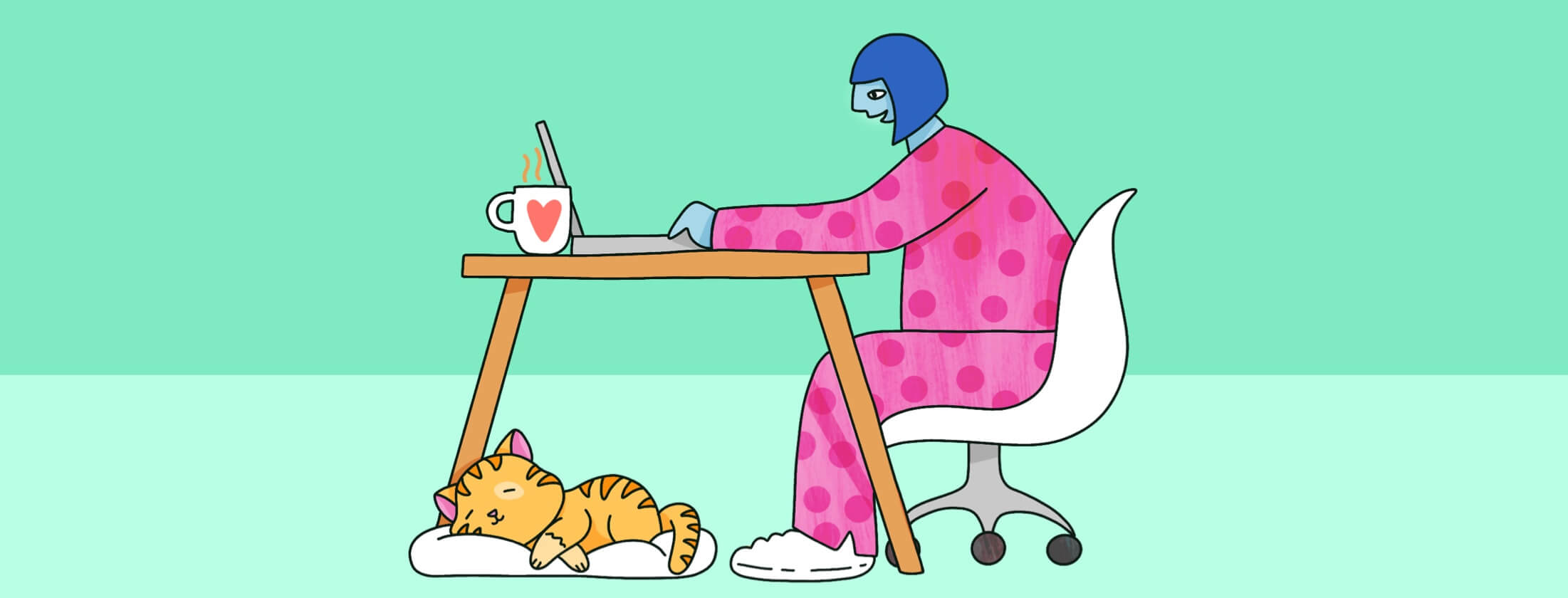
At the time, I didn’t fully appreciate what a gift it was to receive mental health care from home. I only knew that I could open my laptop, cry openly, and not have to pretend I was okay long enough to drive home afterward. My therapist met me exactly where I was - emotionally, physically, and literally. It’s only now, years later, that I recognize what a privilege and gift this was.

Needing virtual care again
Then, in the spring of 2024, after experiencing a ruptured ectopic pregnancy that nearly cost me my life, I found myself back in that same desperate place again. I was severely immunocompromised. My body was exhausted. My mental health was hanging by a thread. The thought of getting dressed, getting into the car, sitting upright in a waiting room, and exposing myself to additional illness felt unbearable.
Telehealth wasn’t simply convenient then. It was the safest and most accessible option available to me. And honestly? I think we need to talk more about that.
When we discuss postpartum mental health, especially postpartum depression and postpartum anxiety, there’s often this unspoken expectation that mothers should somehow “push through” in order to access support. But postpartum mental health struggles frequently arrive during a season where women are already physically depleted, hormonally overwhelmed, sleep deprived, and emotionally unraveling. Adding logistical barriers to receiving care can feel insurmountable.
3 ways telehealth helps new parents get mental health care
1. It’s accessible during a vulnerable time
First, it offers accessibility during one of the most vulnerable periods of a parent’s life. For parents caring for a newborn, leaving the house can feel like preparing for a cross-country expedition. There are diapers and bottles and feeding schedules and naps to navigate, all while functioning on very little sleep. Telehealth allows parents to attend therapy appointments without needing childcare, transportation, or the energy reserve required to physically go somewhere else.
2. It supports continuity of care during illness and recovery
Second, telehealth creates continuity of care during illness, recovery, or disability. As someone living with autoimmune diseases, I know firsthand how complicated postpartum recovery can become when chronic illness is layered into the equation. Whether someone is recovering from a C-section, managing postpartum complications, or simply trying to avoid exposing a newborn to germs during cold and flu season, being able to access mental health care safely from home matters.
3. It can make therapy feel emotionally safer
Third, and perhaps most importantly, telehealth can make therapy feel emotionally safer. There’s something profoundly vulnerable about postpartum depression. Many mothers already feel shame surrounding their thoughts, fears, or inability to “bounce back.” Attending therapy from the comfort of home can lower the emotional threshold required to show up honestly.
Sometimes the hardest part is simply getting through the door. Telehealth leaves that door open.
Telehealth isn’t right for everyone, and that’s OK
Of course, telehealth isn’t the perfect fit for everyone. Some people desperately need the separation and structure that in-person therapy provides. Others may lack privacy at home or struggle to connect virtually.
But what matters is that options now exist in ways they didn’t before. And for many of us, those options have been lifesaving.
If you or someone you love is struggling with postpartum mental health, there are resources available specifically designed to help.
- Postpartum Support International offers support groups, educational resources, and a directory of providers trained in perinatal mental health.
- Maternal Mental Health Leadership Alliance provides national resources and information surrounding maternal mental health conditions and treatment access.
You do not have to earn support by reaching some invisible threshold of suffering first.
You do not need to wait until things become unbearable.
And you do not have to leave your house to begin healing.