
What High-Functioning Postpartum Depression Really Looks Like

For a long time, I thought postpartum depression had to look a certain way.
I thought it meant you completely stopped functioning. I thought it meant you could not get out of bed. I thought it meant people around you would notice immediately.
But what I learned over the years, after multiple pregnancies, postpartum seasons, and emotional crashes, is that postpartum depression can also look highly functional.
Especially in Black women. Especially in mothers. Especially in women who have been taught their entire lives to keep going no matter what.
What high-functioning PPD looks like
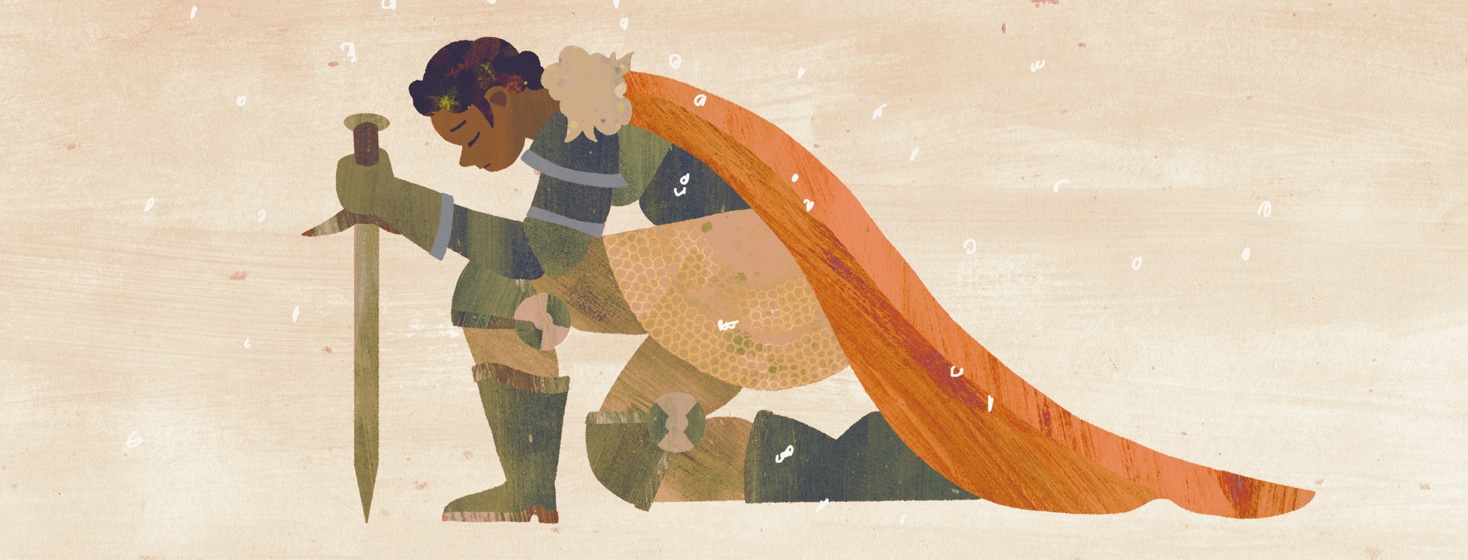
High-functioning postpartum depression looks like taking care of everyone while silently falling apart. It looks like making breakfast, packing lunches, nursing babies, attending meetings, answering emails, helping with homework, making dinner, smiling at people, and still crying alone afterward.
It looks like survival dressed up as strength.
What it looked like for me
For me, postpartum depression often looked like overstimulation, exhaustion, guilt, withdrawal, and emotional numbness mixed with deep sadness. It looked like feeling unappreciated while simultaneously feeling guilty for needing appreciation at all.
It looked like constantly asking myself why motherhood seemed easier for everyone else. And social media only amplified that feeling.
For Black women, there is another layer
The pressure to "bounce back" after having a baby is overwhelming. Everywhere you look, there are messages about productivity, weight loss, routines, organized homes, smiling babies, and women who somehow appear to have it all together. Meanwhile, you are just trying to stay sane.
Sometimes the algorithm itself feels cruel. When you are spiraling emotionally, it keeps feeding you more content that validates your insecurities. More perfect mothers. More clean houses. More reminders of what you are not doing.
And for Black women specifically, there is another layer.
Many of us were raised to suppress emotion. To keep showing up. To pray harder. To push through. To survive. So postpartum depression often gets mistaken for laziness, irritability, being "unkept," or simply struggling to manage responsibilities.
The hidden emotional cost of "functioning"
People see the outside. They see you functioning. They do not always see the emotional cost.
And because we are still showing up, people assume we are okay.
But high-functioning postpartum depression can feel like excelling in the trenches. You are accomplishing things while drowning internally. And eventually, the weight catches up with you.
For the first time, I felt seen
What helped me begin healing was honestly desperation. My desperation eventually became louder than my shame.
For a long time, I resisted medication. I grew up in a religious household where mental health conversations were complicated. I was afraid of being judged. Afraid of becoming dependent. Afraid medication would somehow make me less faithful, less strong, or less capable.
But then I started hearing other women tell the truth. Friends of mine began openly sharing how much therapy and medication had helped them after childbirth. And for the first time, I felt seen.
I realized maybe things did not have to feel this hard all the time.
Healing was not one single thing
Eventually, I admitted to my doctor that I was struggling. Not just overwhelmed. Not just tired. Struggling.
And that honesty changed something for me. Because healing was not one single thing.
It was not just therapy. Not just medication. Not just prayer. Not just exercise. Not just journaling.
It became a combination of support. I learned I could love God and still take medication. I could pray and still need professional help. I could be grateful for my children and still struggle mentally. Those things do not cancel each other out.
In that moment, something felt beautiful again
One of the simplest things that helped me emotionally was going outside. Sometimes I would wrap up my babies in blankets and just sit in the grass.
I remember having my twins after long sleepless nights where everything felt blurry and overwhelming. I would take them outside and cry while holding them. And somehow, for a moment, things felt quieter.
The sunlight. The fresh air. Their tiny bodies against mine. Everything may not have been okay all day. But in that moment, something felt beautiful again.
That mattered.
Small gestures matter
I also learned the importance of being seen.
Not just helped. Seen.
Sometimes mothers do not know how to ask for help because even creating a list feels exhausting. But small gestures matter. A random coffee. A DoorDash gift card. A handwritten note. A text that says: "I see you."
Those things can become lifelines.
You are worthy of care, joy, and support
If I could say anything to another overwhelmed mother right now, it would be this: It will not always feel like this.
You are enough right where you are. With the laundry piles. With the dishes undone. With the exhaustion. With the tears.
You are still worthy of care. You are still worthy of joy. And you deserve support before you completely fall apart.
Today, as I prepare to welcome my ninth child into the world, I am not writing this just for other mothers. I am writing it for myself, too.
As a reminder.
As permission.
As truth.
Healing is possible. Not perfect healing. Not overnight healing. But real healing.
And sometimes the bravest thing a mother can do is finally admit she needs support, too.